

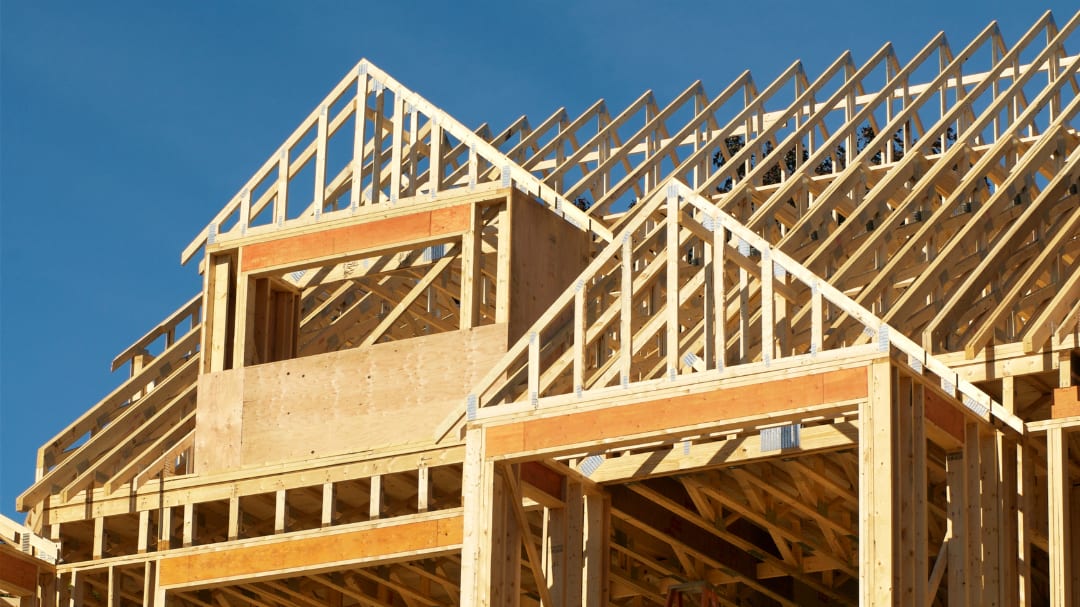

For years, one of the biggest challenges facing the housing market has been simple: there aren't enough homes to meet demand.
High home prices and affordability challenges are often blamed on mortgage rates, but interest rates are only one piece of the puzzle. Across the country, a shortage of housing—from starter homes to rental properties and affordable housing—has contributed significantly to rising prices.
In July 2026, the bipartisan 21st Century ROAD to Housing Act became law. It is one of the most significant federal housing packages passed in decades and is designed to address housing affordability by encouraging more housing development, reducing certain barriers to construction, modernizing housing programs, and helping communities make better use of their existing housing resources.
But what could this actually mean for a place like Northern New Jersey?
The Challenge Here Is Different
When people talk about solving the housing shortage by simply “building more homes,” it's easy to picture large new developments on open land.
But in much of Bergen County and Northern New Jersey, there isn't much open land left to develop.
Our communities are already largely built out. That means increasing housing opportunities may require a different approach—redeveloping underutilized properties, making better use of existing land, converting appropriate properties to residential use, or considering different types of housing where they make sense.
The ROAD to Housing Act recognizes that increasing housing supply will not look the same in every community.
Importantly, the law does not require municipalities to change their zoning or take away local control. Instead, it creates new tools, incentives, grant opportunities, and greater flexibility for communities that choose to pursue additional housing strategies.
Making It Easier to Create Housing
One of the major goals of the legislation is to reduce unnecessary delays and barriers that can make housing more expensive to build.
The law includes changes designed to streamline certain federal environmental reviews and approvals for qualifying housing projects, particularly those involving federal funding. It also encourages communities to explore more efficient approaches to housing development.
That doesn't mean new development will suddenly become easy—or that every community will see major changes overnight.
Local zoning, planning boards, infrastructure, and community concerns will continue to play an important role.
But reducing unnecessary delays can potentially make it easier and less expensive for communities and developers to move appropriate housing projects forward.
More Flexibility for Communities
Another important part of the law gives communities greater flexibility through existing federal housing programs.
For example, changes to the Community Development Block Grant (CDBG) and HOME Investment Partnerships Program expand how certain federal funds can be used to support housing—including new construction and a broader range of workforce housing needs.
This could give communities additional tools to address local housing needs in ways that make sense for their particular markets.
Preserving Existing Housing Matters Too
Building new homes is only part of the housing conversation.
In Northern New Jersey, many communities have older housing stock that requires ongoing maintenance and investment. Preserving existing homes can be just as important as building new ones.
The ROAD to Housing Act includes a pilot program designed to help low- and moderate-income homeowners and qualifying small landlords address significant home repair needs through grants and forgivable loans. The goal is to help preserve existing housing and prevent properties from falling into disrepair.
This Will Not Change the Market Overnight
Perhaps the most important thing for homeowners and buyers to understand is that this legislation is not an overnight solution to housing affordability.
Many of the programs created or changed by the law still require implementation by federal agencies, and some depend on future funding decisions. Most provisions will be implemented over the coming months and years.
And while more housing supply can help address affordability over time, real estate remains intensely local.
What happens in Bergen County will depend on local demand, available land, redevelopment opportunities, zoning, infrastructure, and the decisions individual municipalities make about their own communities.
The Bottom Line
The 21st Century ROAD to Housing Act is important because it represents a significant national effort to address one of the biggest challenges facing the housing market: a lack of housing supply.
For Northern New Jersey, however, the answer probably won't be as simple as building more houses on vacant land.
The more relevant conversation may be about how communities can thoughtfully create housing opportunities, preserve existing homes, and make better use of the land and properties they already have—while maintaining the character and local control that make our communities unique.
I'll be watching how this legislation is implemented and what opportunities it may create for New Jersey communities in the years ahead.