


When buying a home, the heating system is more than a detail—it affects comfort, maintenance, and energy bills. Here are the most common types you’ll encounter:
Baseboard (Water-Based)
Hot water runs through pipes inside low-profile covers along the walls. Baseboard heat is quiet, efficient, and allows room-by-room control. It doesn’t dry out the air, but adjusting the temperature can be slower, and the covers limit where you place furniture.
Forced Hot Air
A furnace heats air and pushes it through the same ducts and vents used for central A/C—making it efficient for both heating and cooling. It warms quickly and can include humidifiers, but it may be noisy, dry out the air, and requires duct cleaning to keep allergen's down.
Radiators (Water-Based)
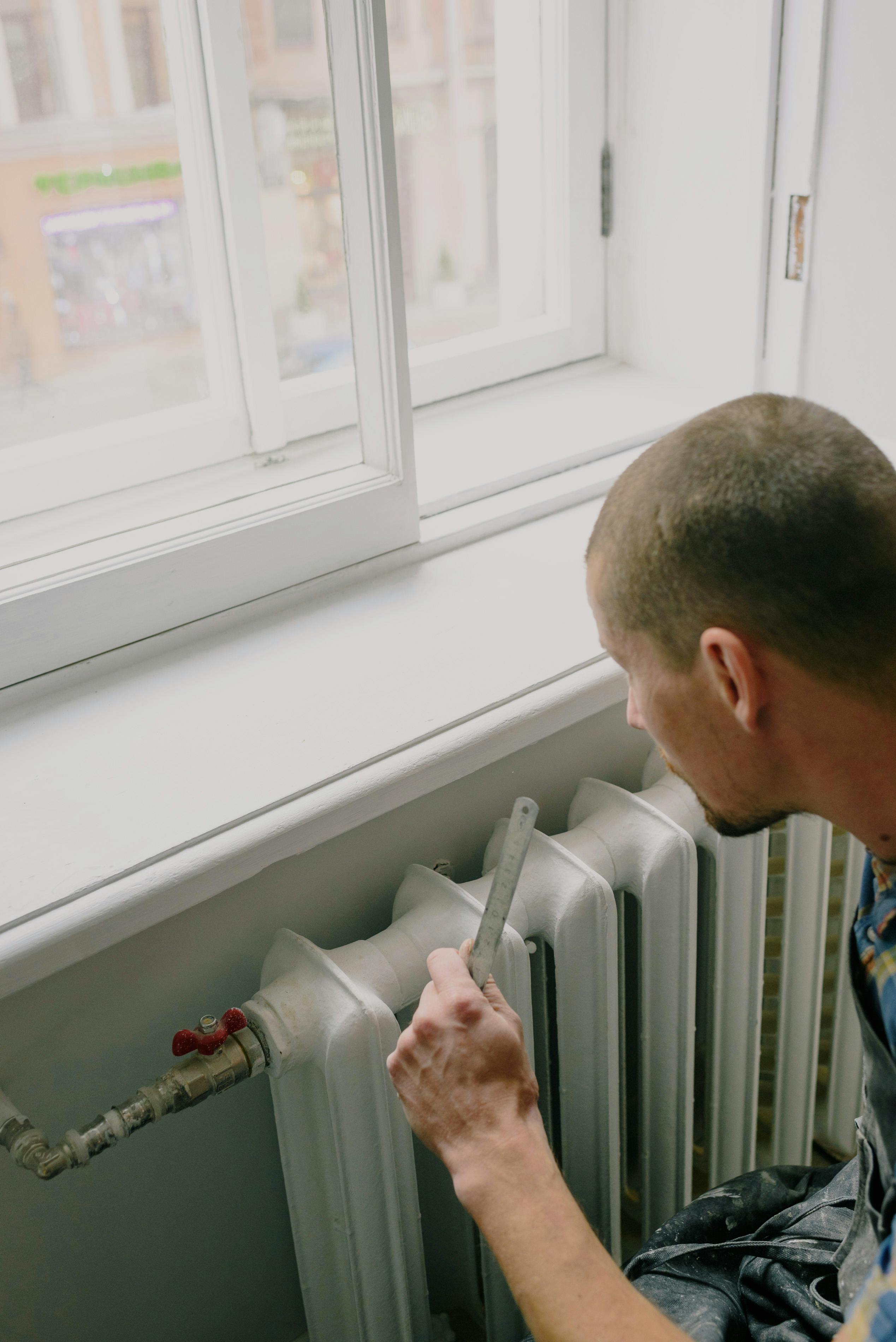
Common in older homes, cast-iron radiators powered by a boiler give long-lasting heat without ductwork. They’re durable but slow to warm up and can limit room layouts due to their size.
Radiant Floor Heating
Electric coils or water tubes under flooring provide silent, even warmth—often in bathrooms or throughout modern homes. It feels luxurious but is costly to install or repair and heats more slowly than forced air.
Heat Pumps (Electric)
Heat pumps run on electricity and work by transferring heat instead of generating it. They act as both a heater in winter and an air conditioner in summer, making them efficient and eco-friendly. In very cold climates, though, a backup system may be needed.
Bottom Line
Every system has trade-offs—speed, efficiency, comfort, and upkeep. Paying attention to the heating type can help you decide whether a home truly fits your lifestyle.